CCB details: 0417.2291.3306.0042
Operation stages
How can any company originate credit?
Lend was a Brazilian infrastructure fintech, backed by a16z and Canary. Its bet was that any software company could offer regulated credit to its own customers without becoming a bank.
I joined in February 2022 as its founding product designer and later became Head of Design. I worked out what the product should be with the Co-CEO I reported to, designed the platform its products shared, and built the design team.
- Founding Product Designer,
- then Head of Design, leading product, service, content and communication design
- From 0 to 1, then 10× cash flow,
- which secured the seed extension and led to the Series A
- Reporting to the Co-CEO
- for product and technology, as the CTO’s peer, and working with the other founder and the C-level
- From one designer
- to a design team of seven in six months
- From February 2022 to June 2023
- Platforms
- Operator Cockpit, originator platform, APIs and developer documentation, and the website
Giving the vision a shape
The founders knew engineering, banking and fundraising, and Lend held a banking licence. Nobody had mapped the people who would use the product. In a B2B2C credit chain, that is every actor who touches a loan, from the software company that offers it to the fund that buys it.
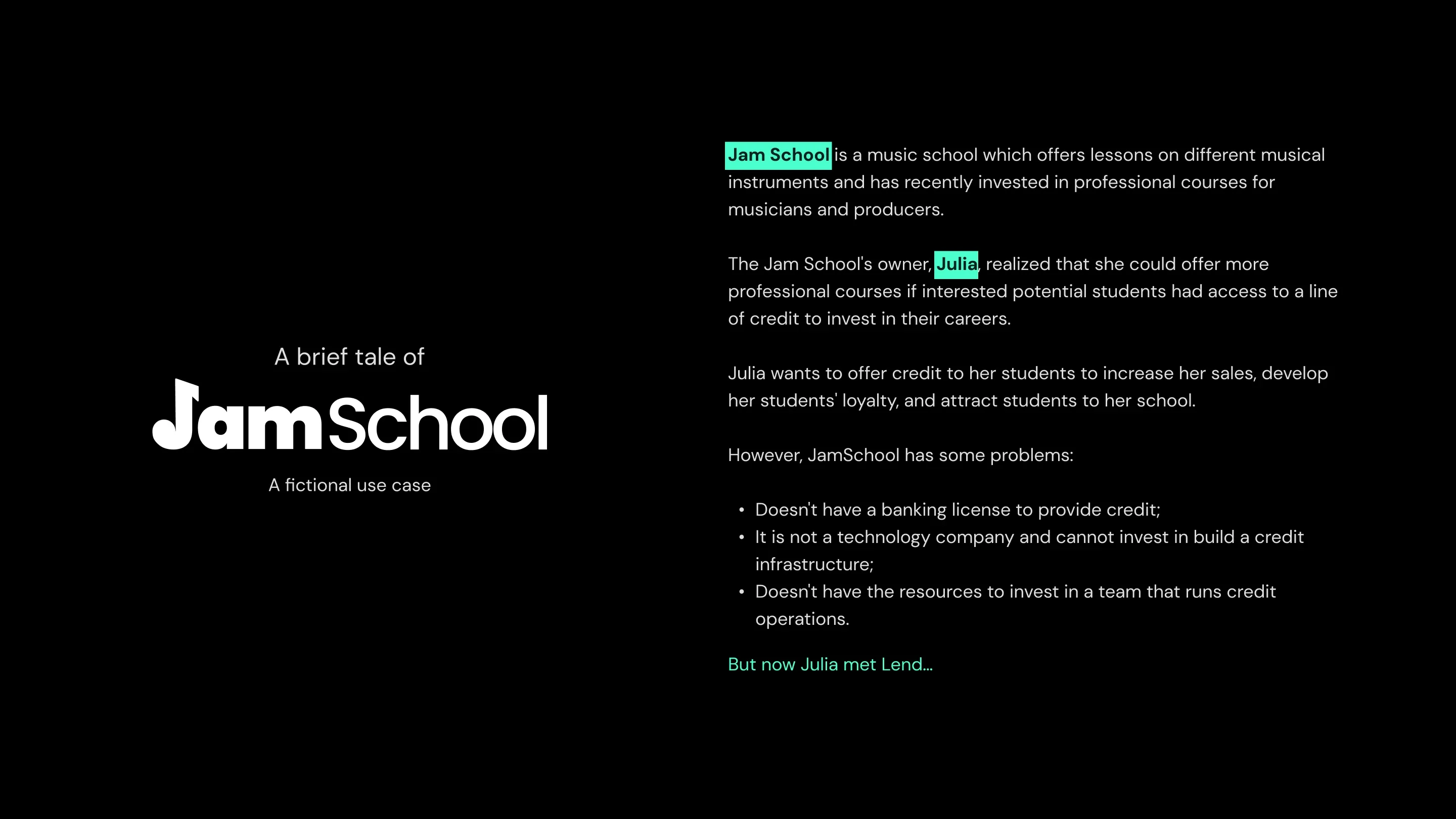
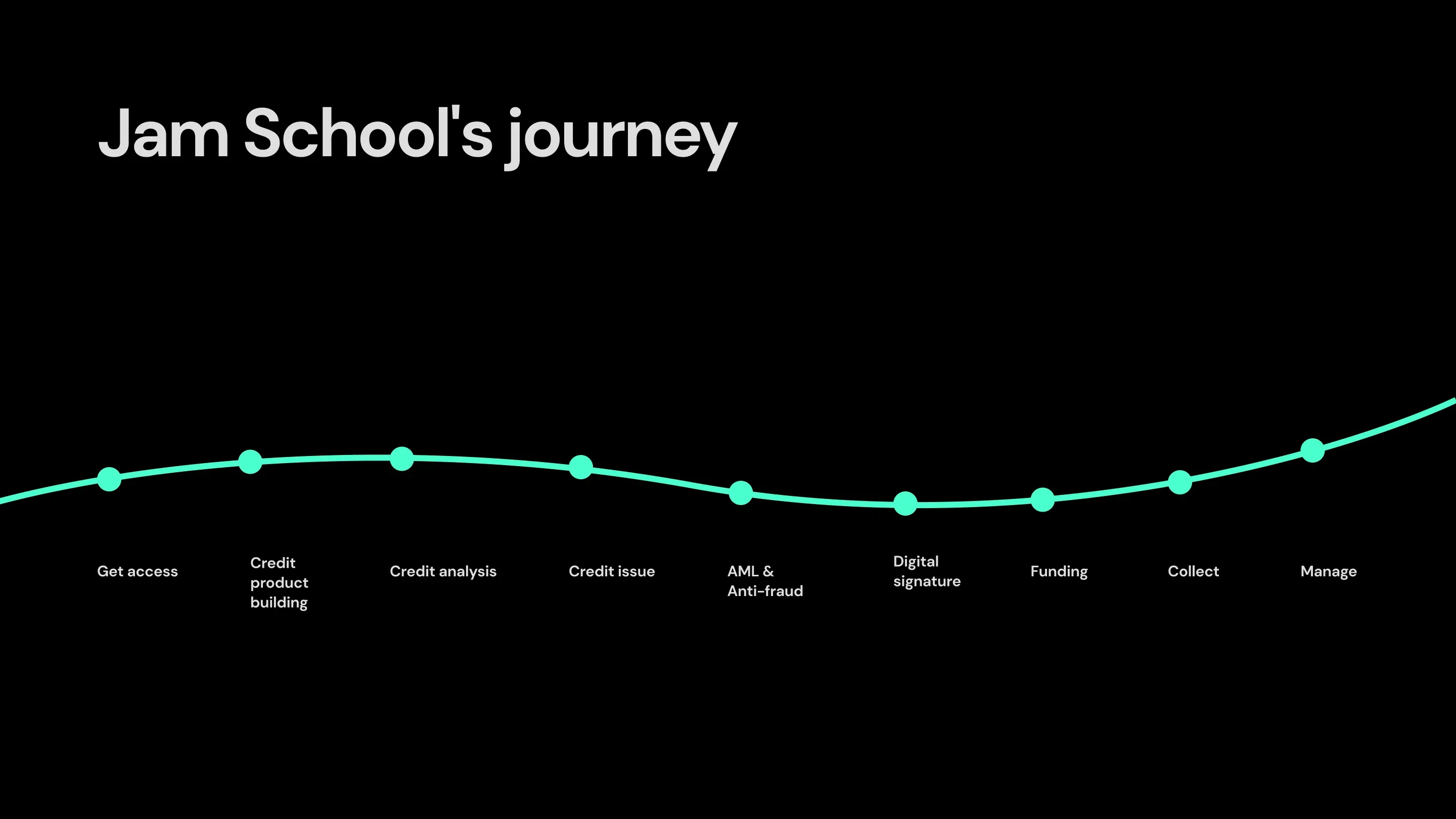
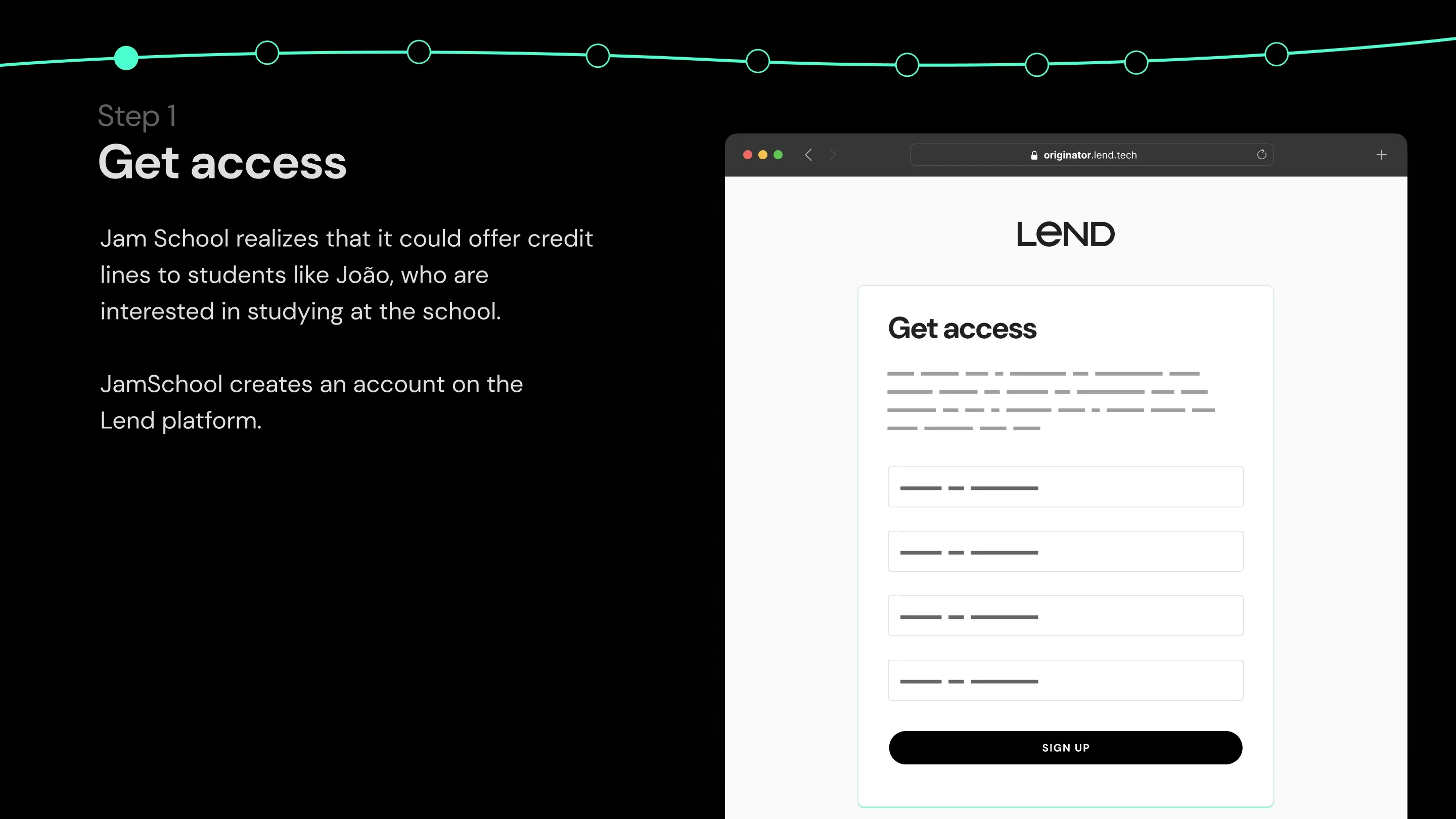
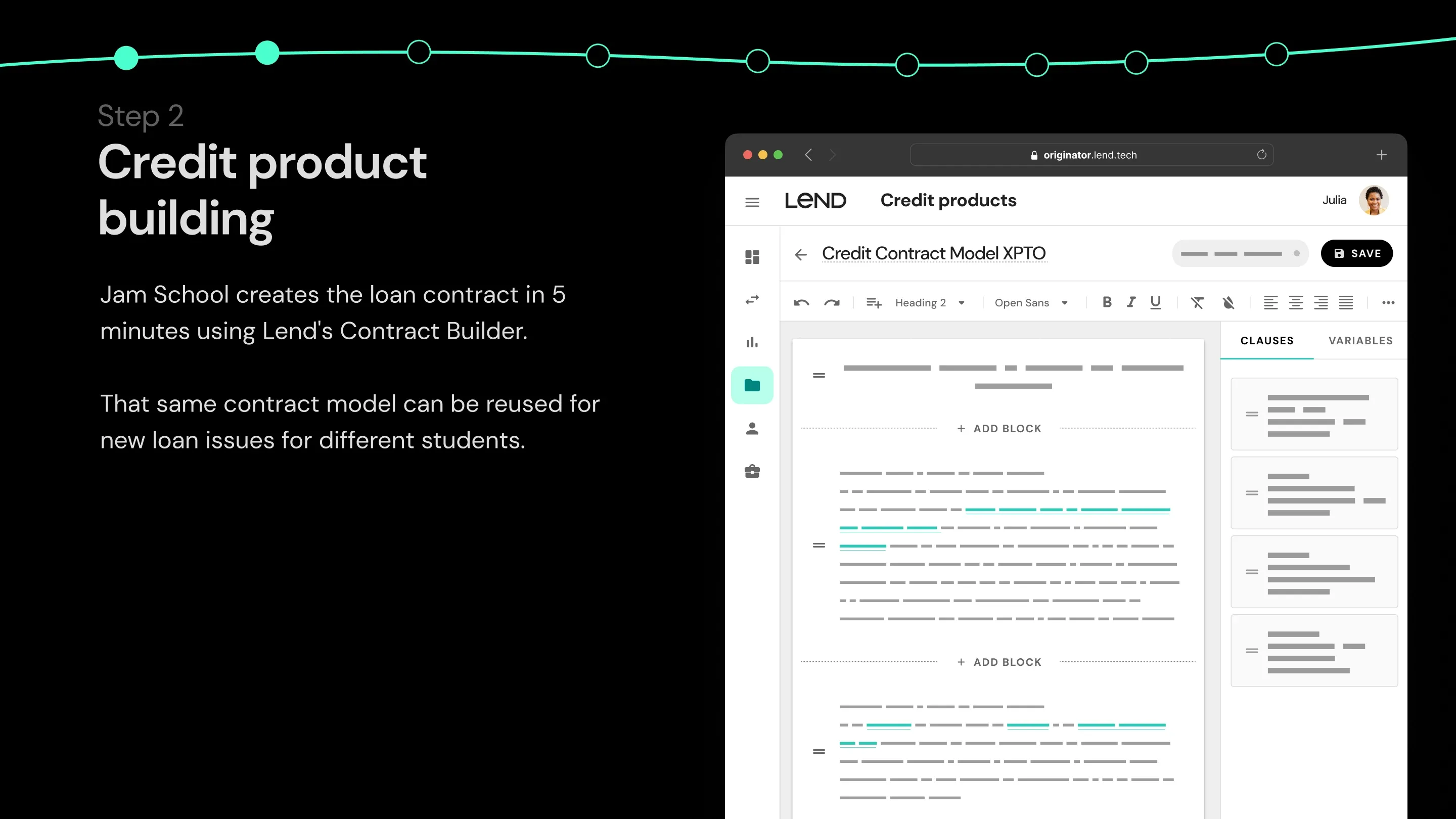
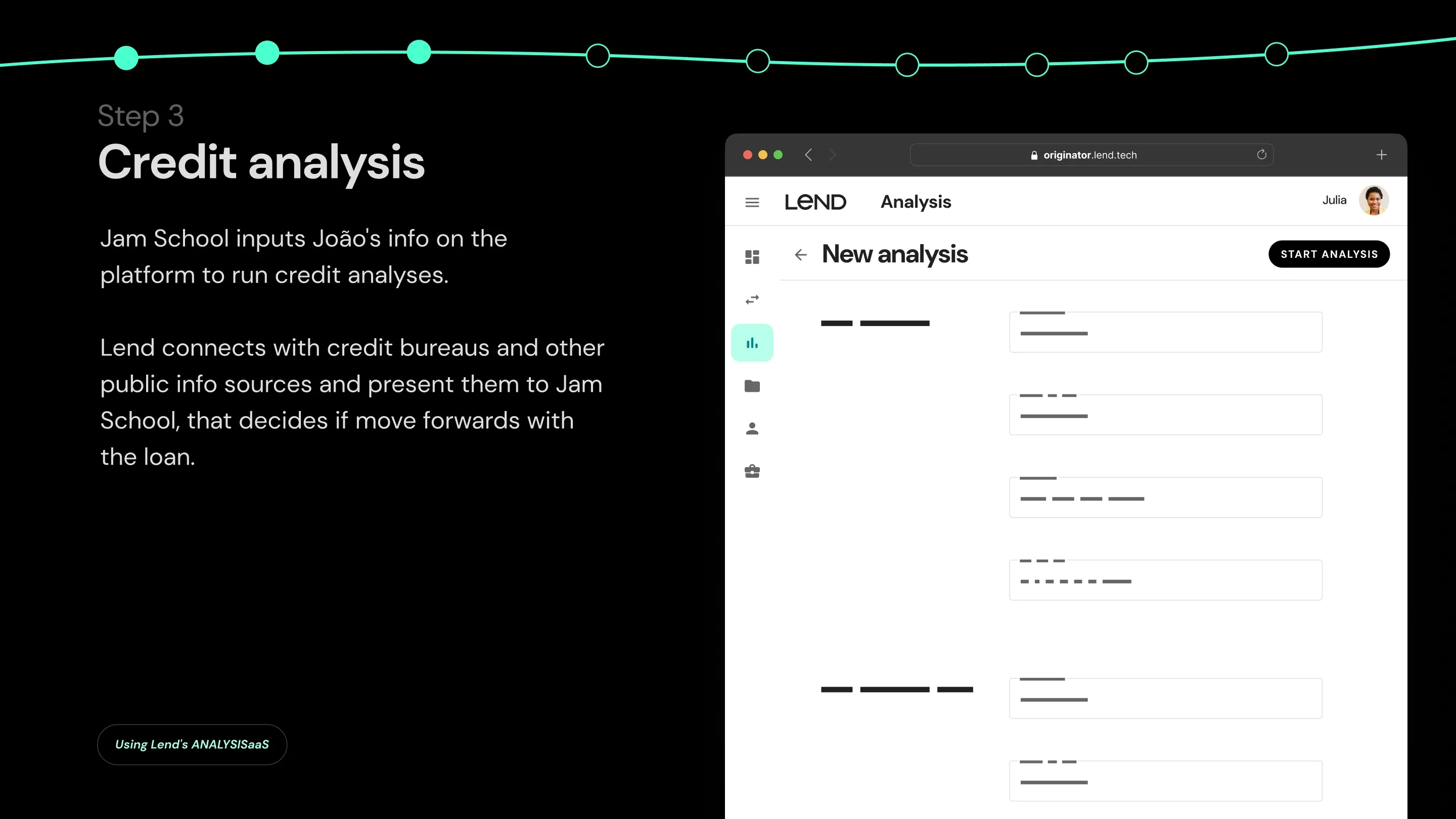
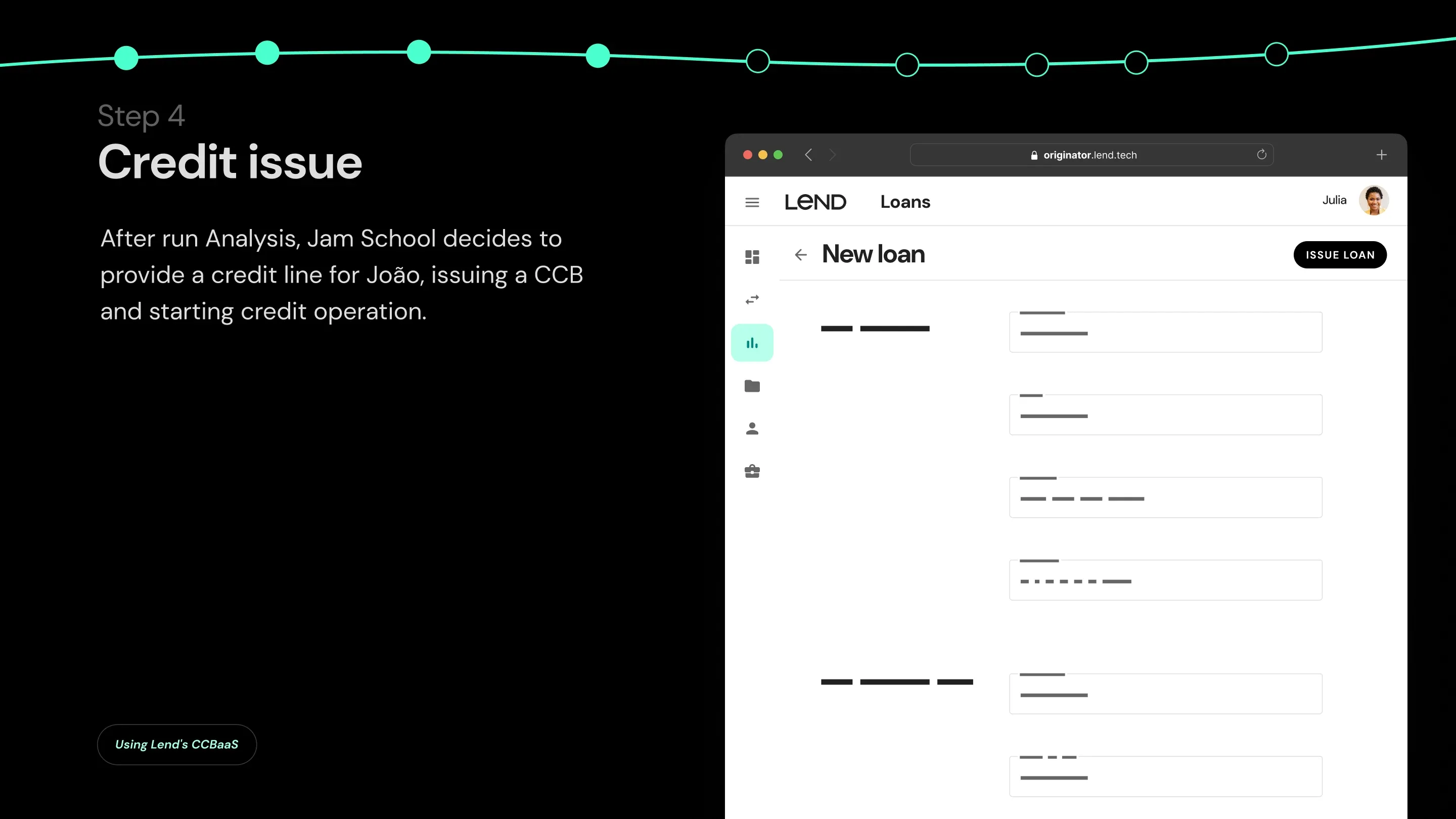
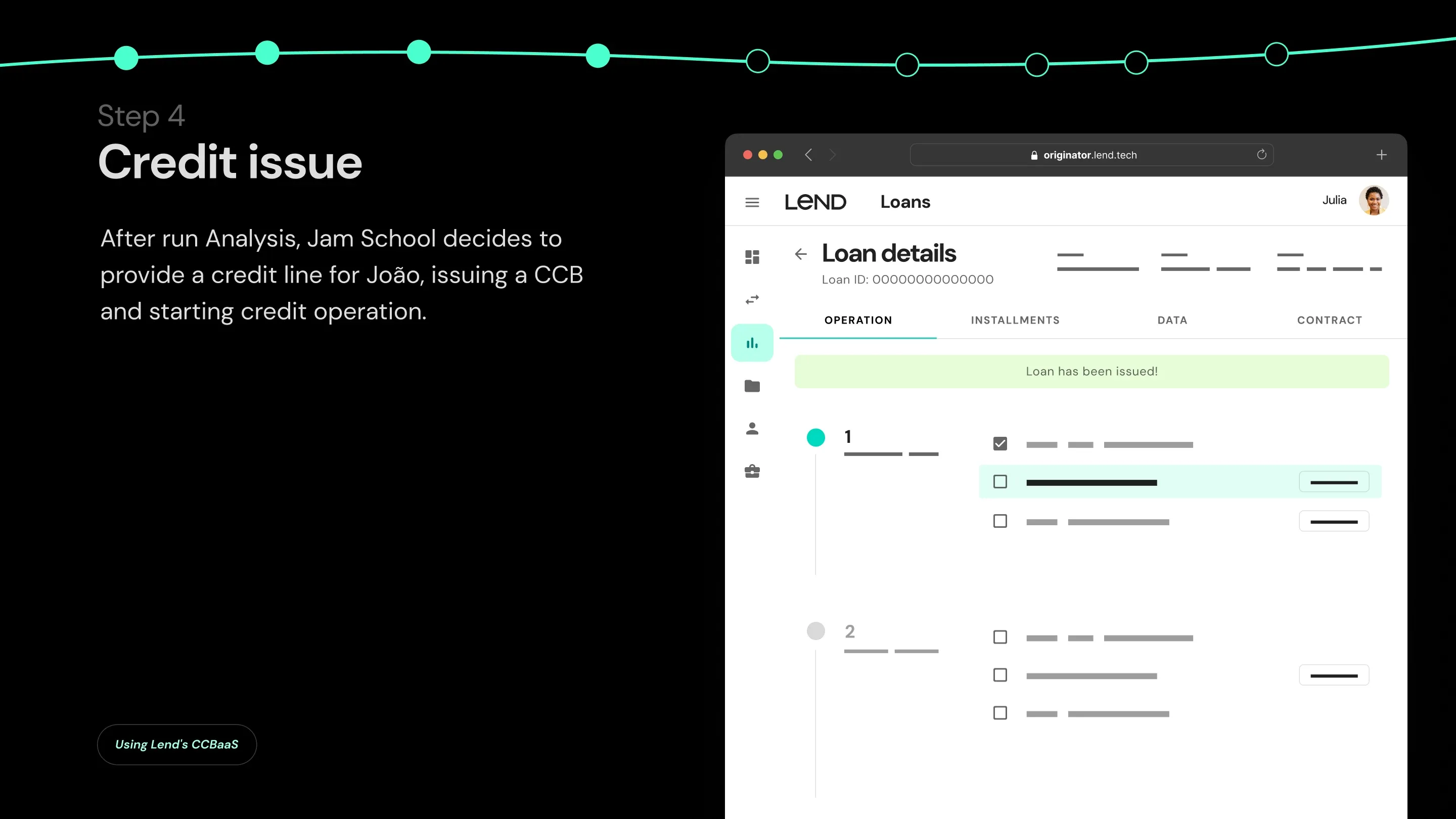
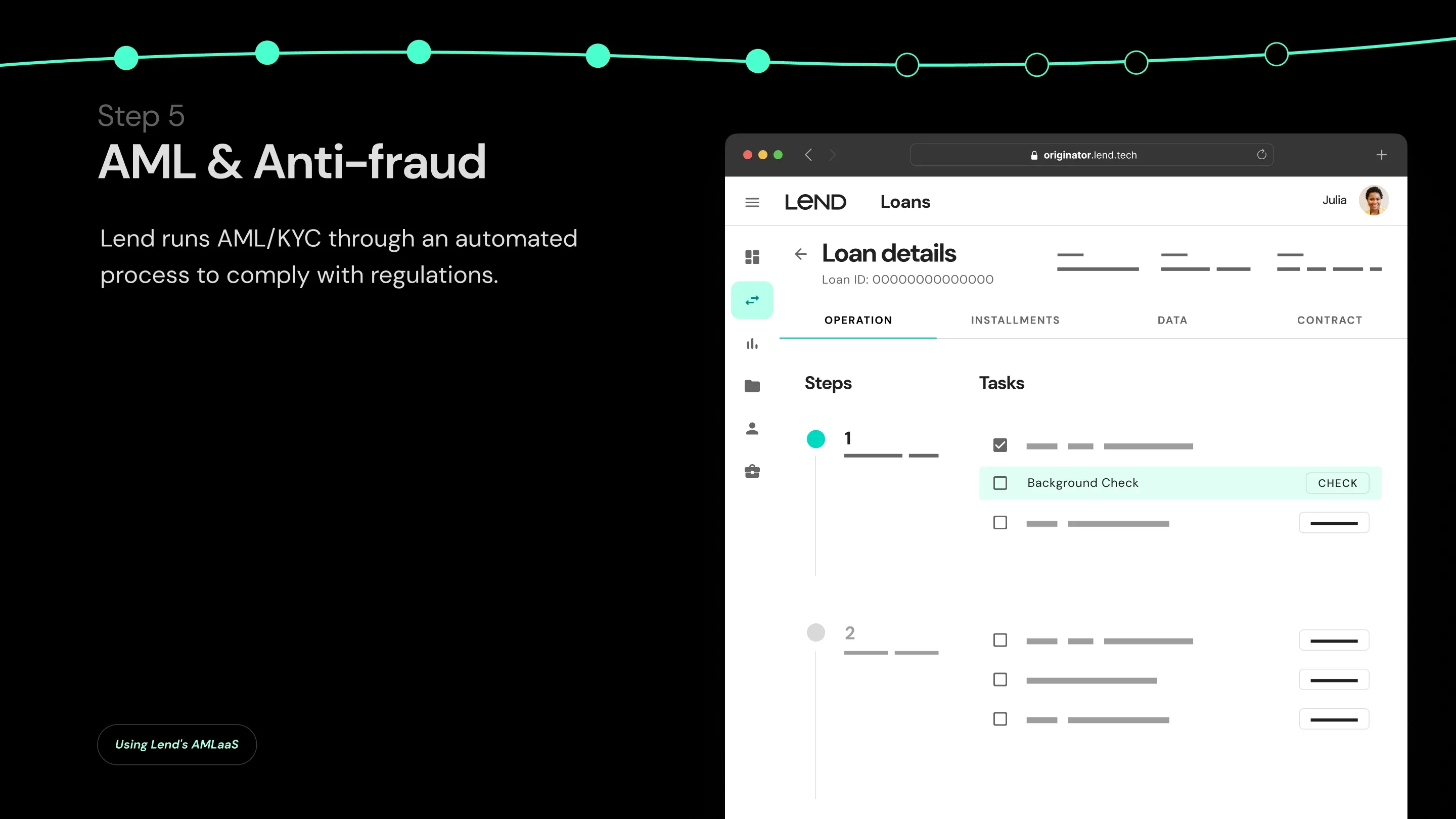
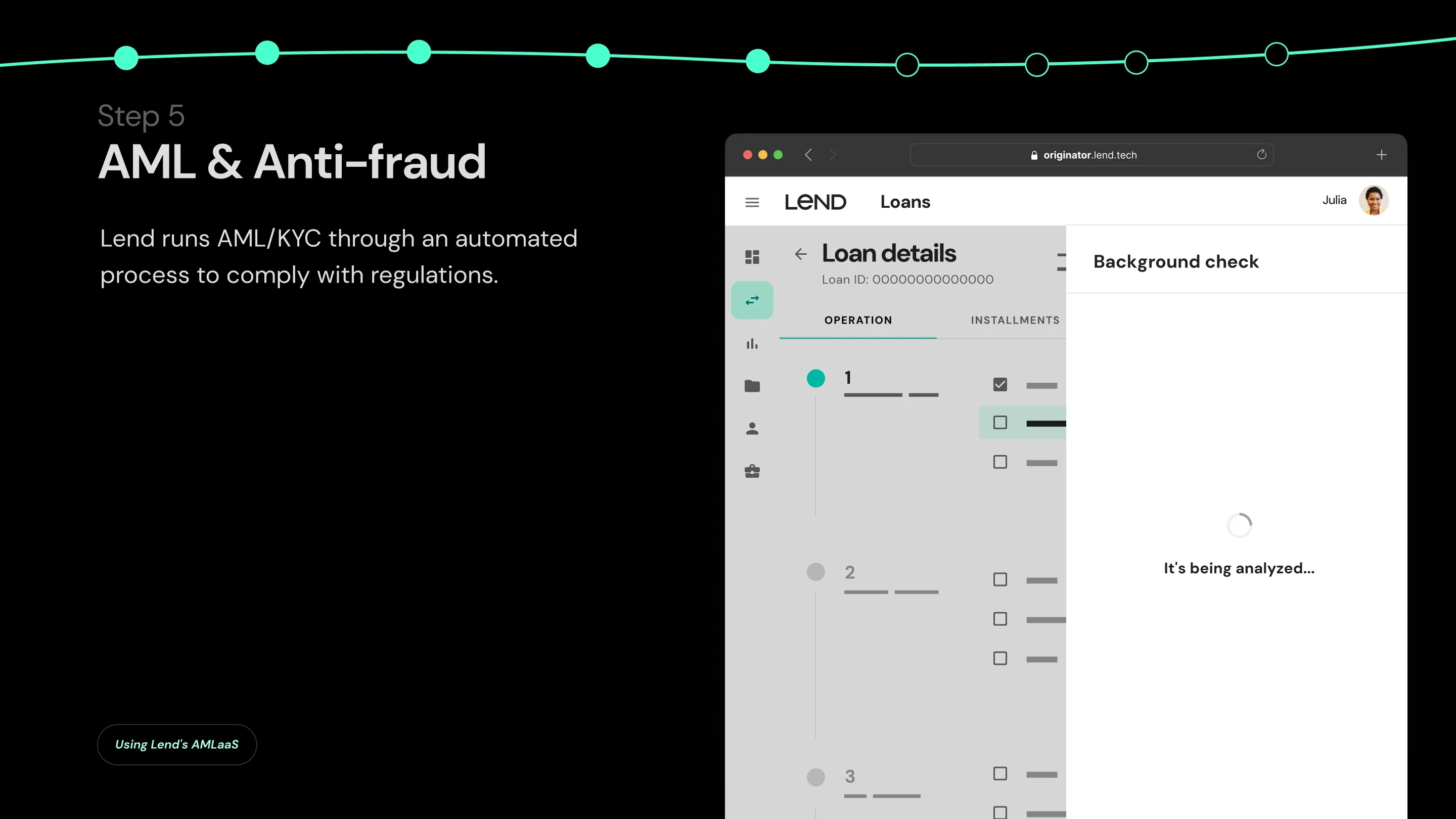
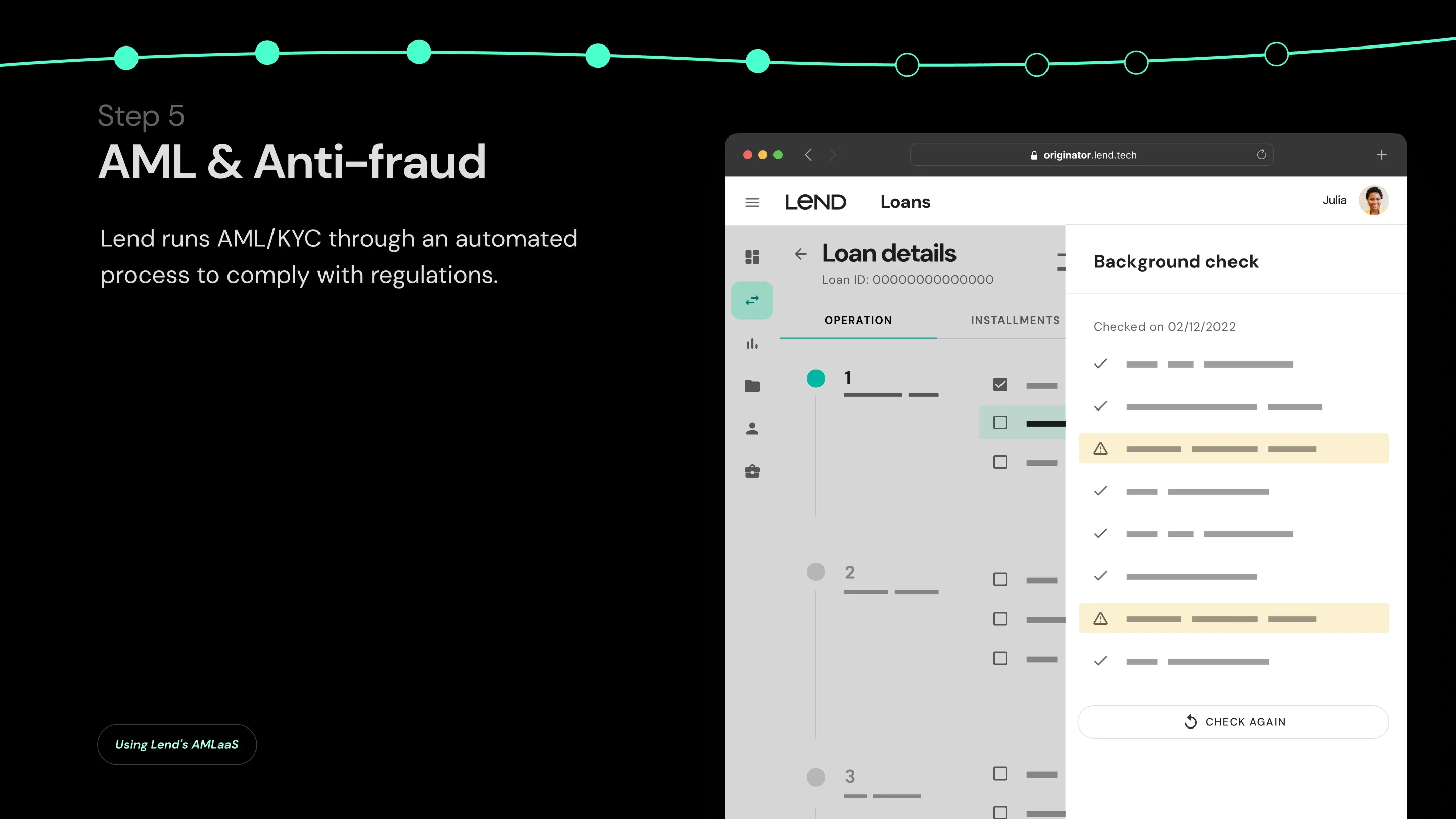
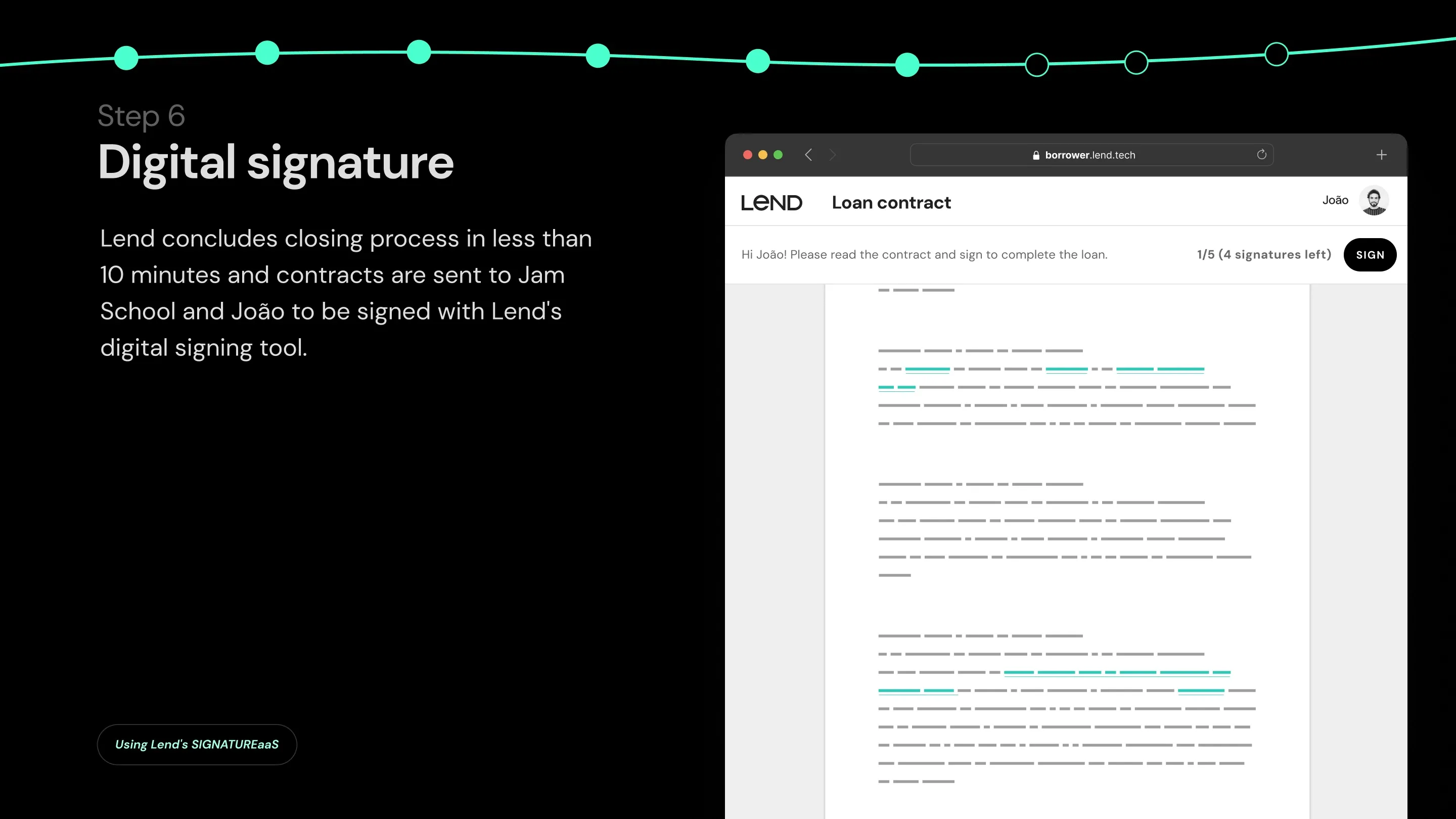
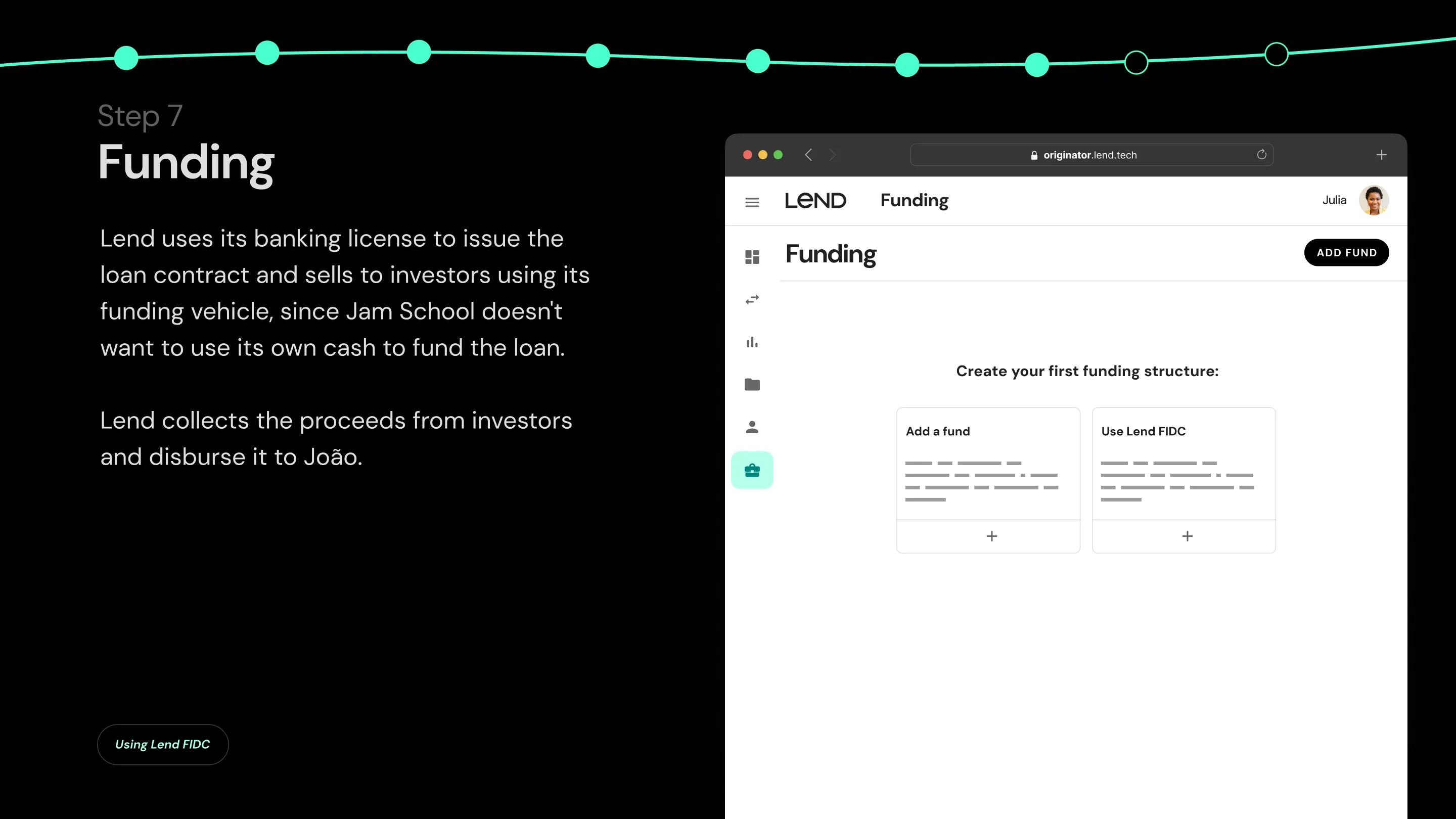
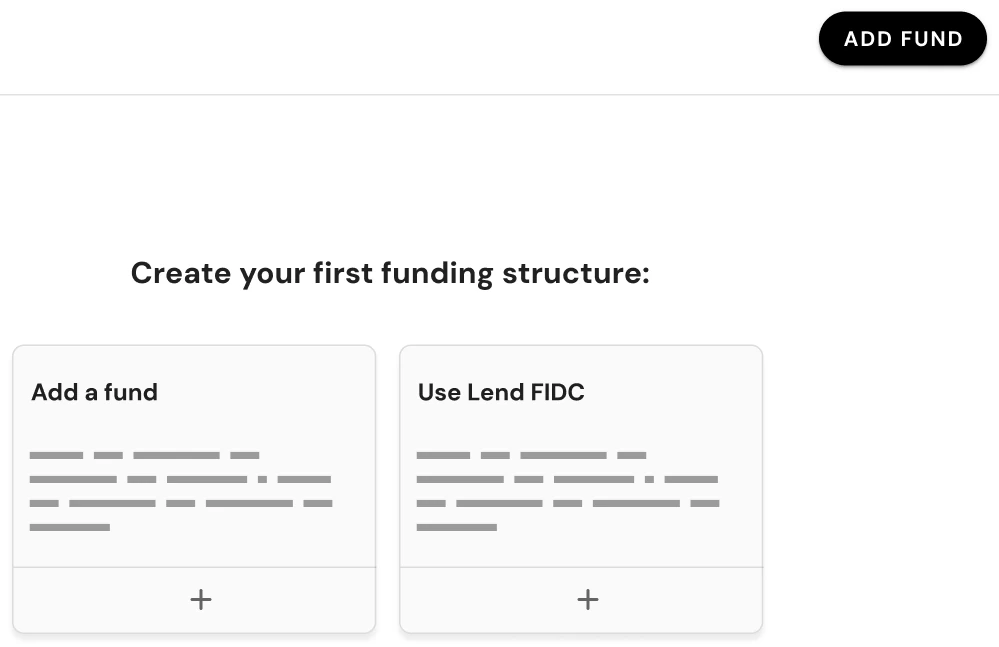
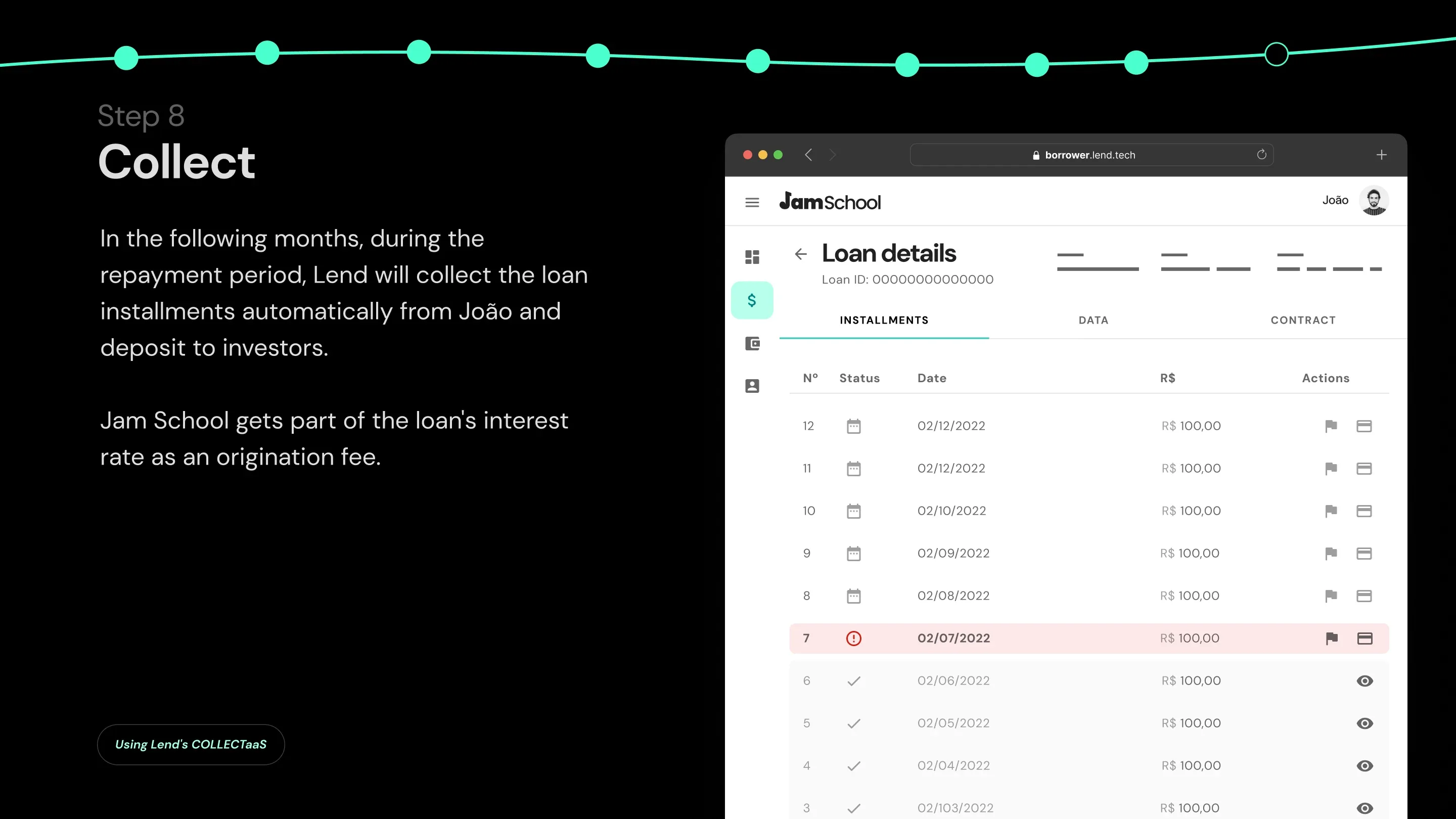
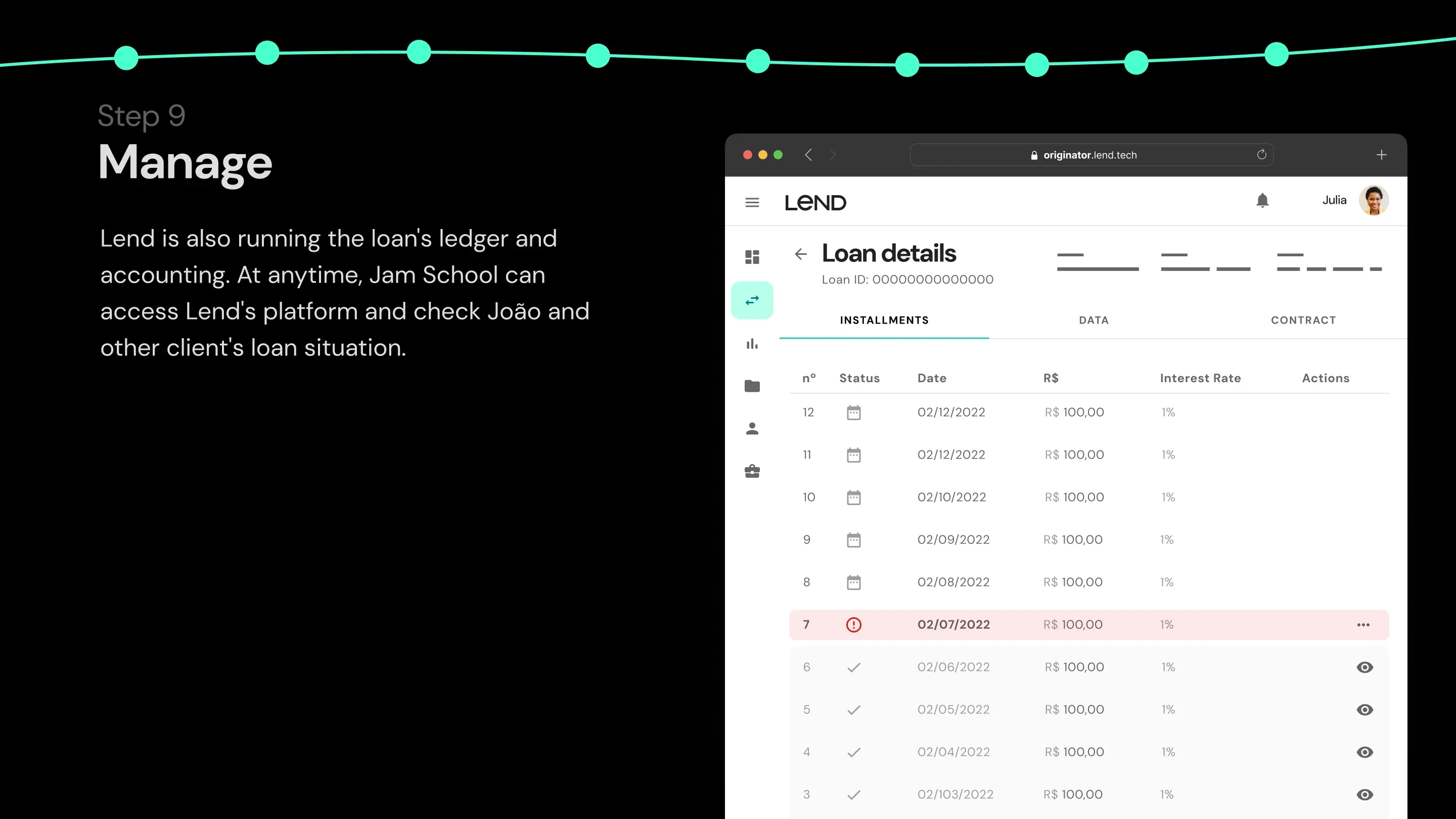
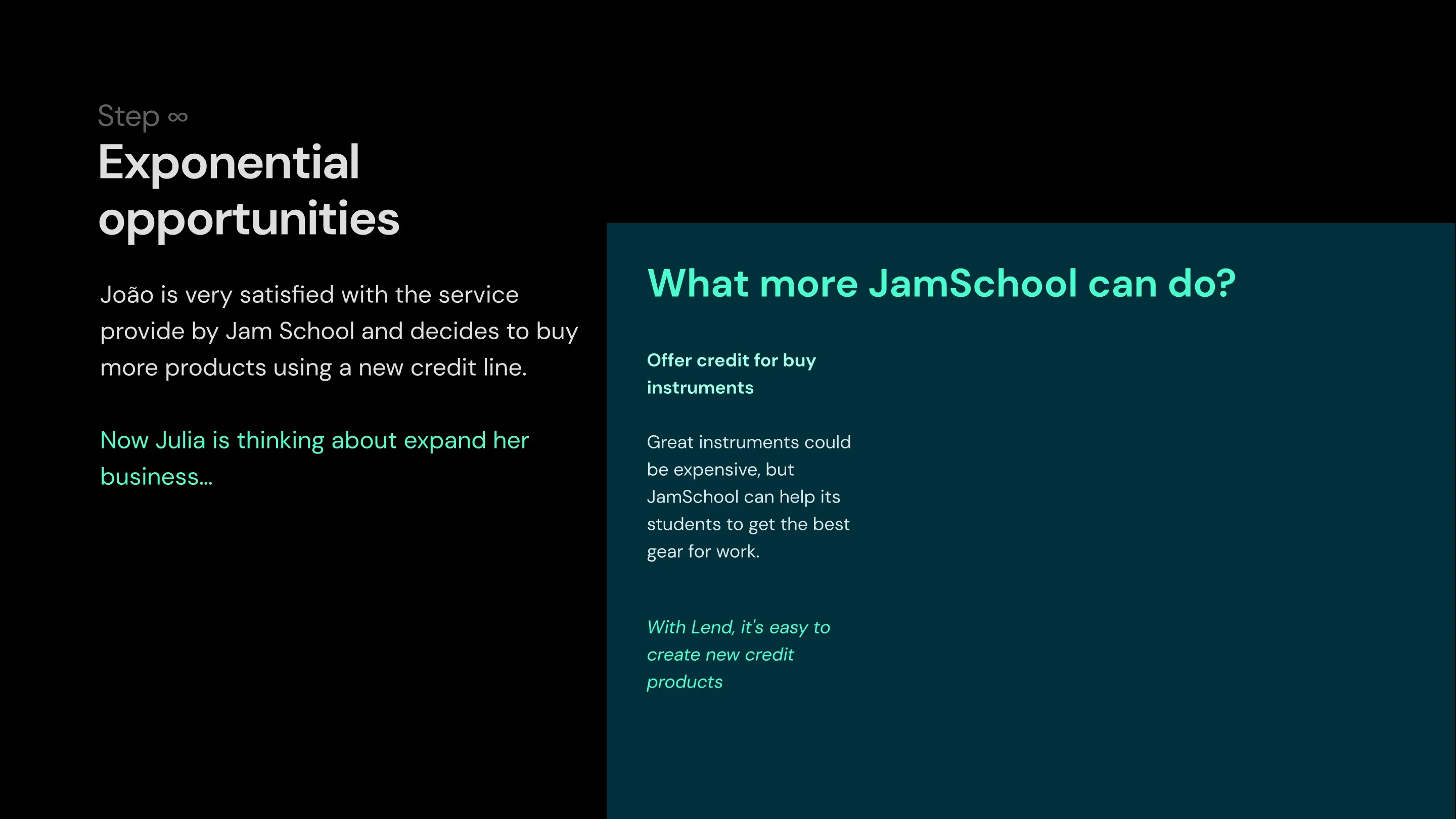
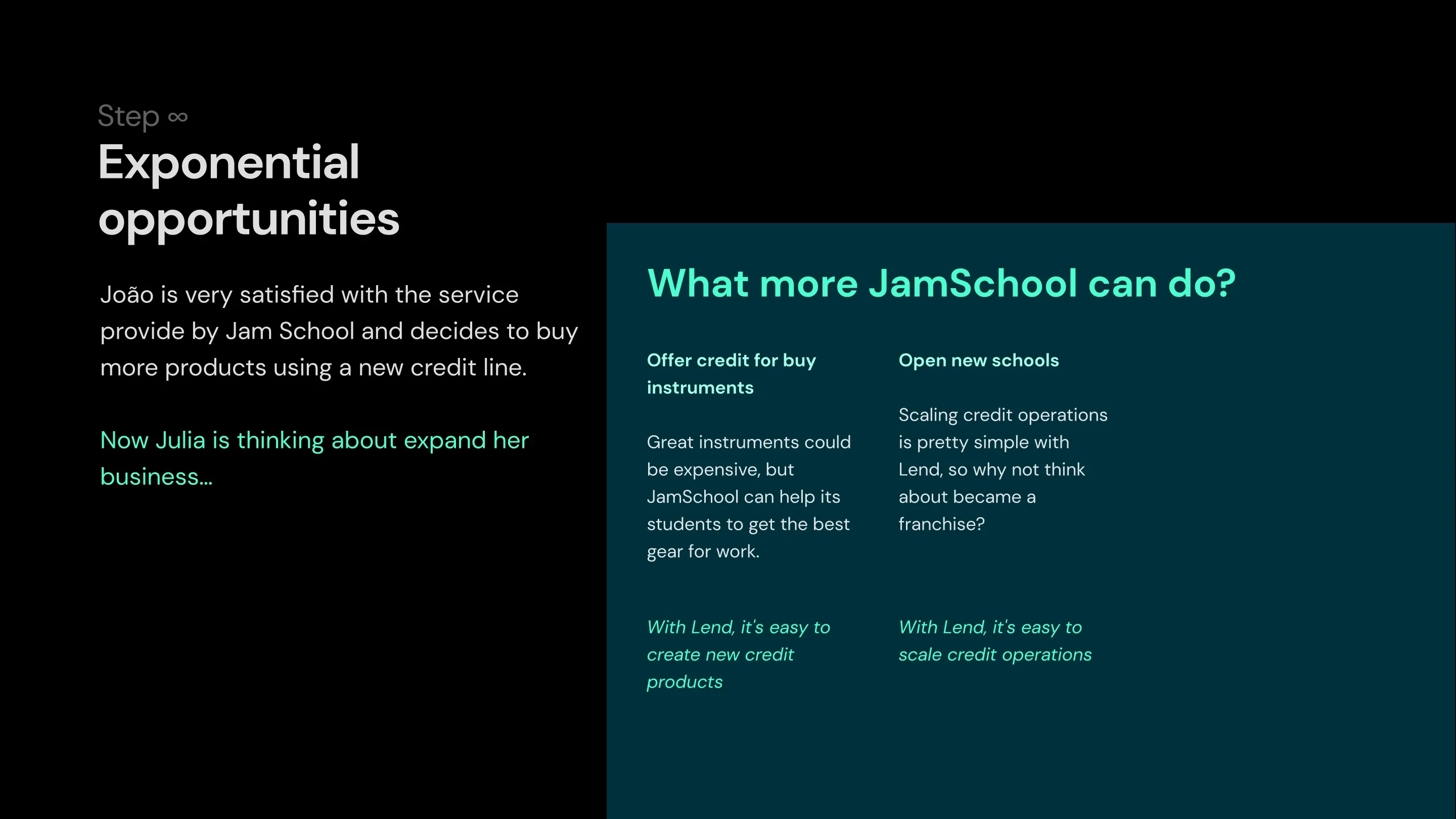
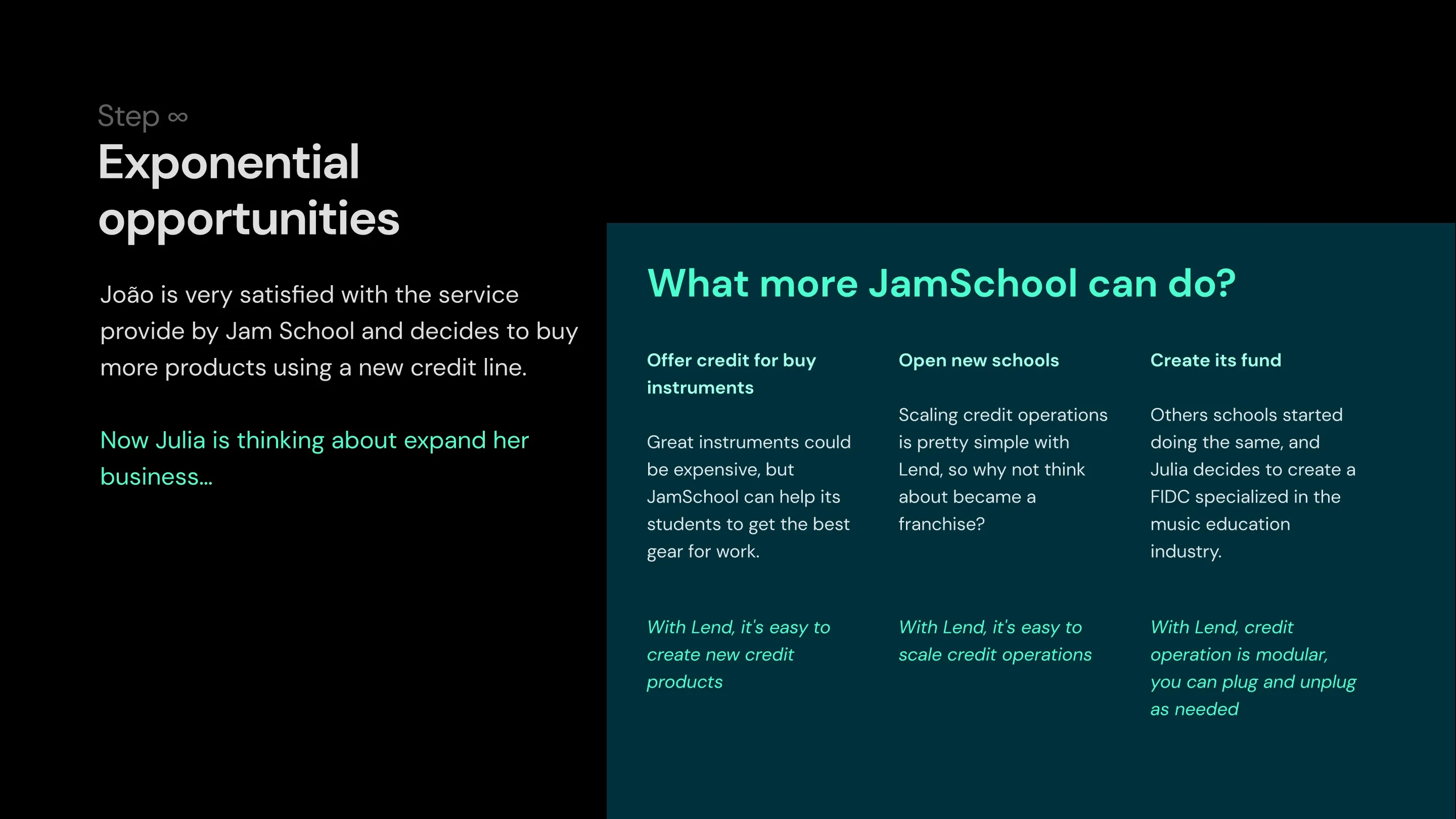
The Co-CEO set the build order: a contract editor and CCB as a Service, then three more, then six. I designed the platform underneath, which modules each wave needed and which it could reuse, and wrote the Moonshot so the whole company could see the plan. In it, JamSchool, a fictional music school, takes out a loan, and each actor appears where their service does.
We chose Material over a custom library, because engineers had prototyped on MUI and operators spent their days in Google’s tools.

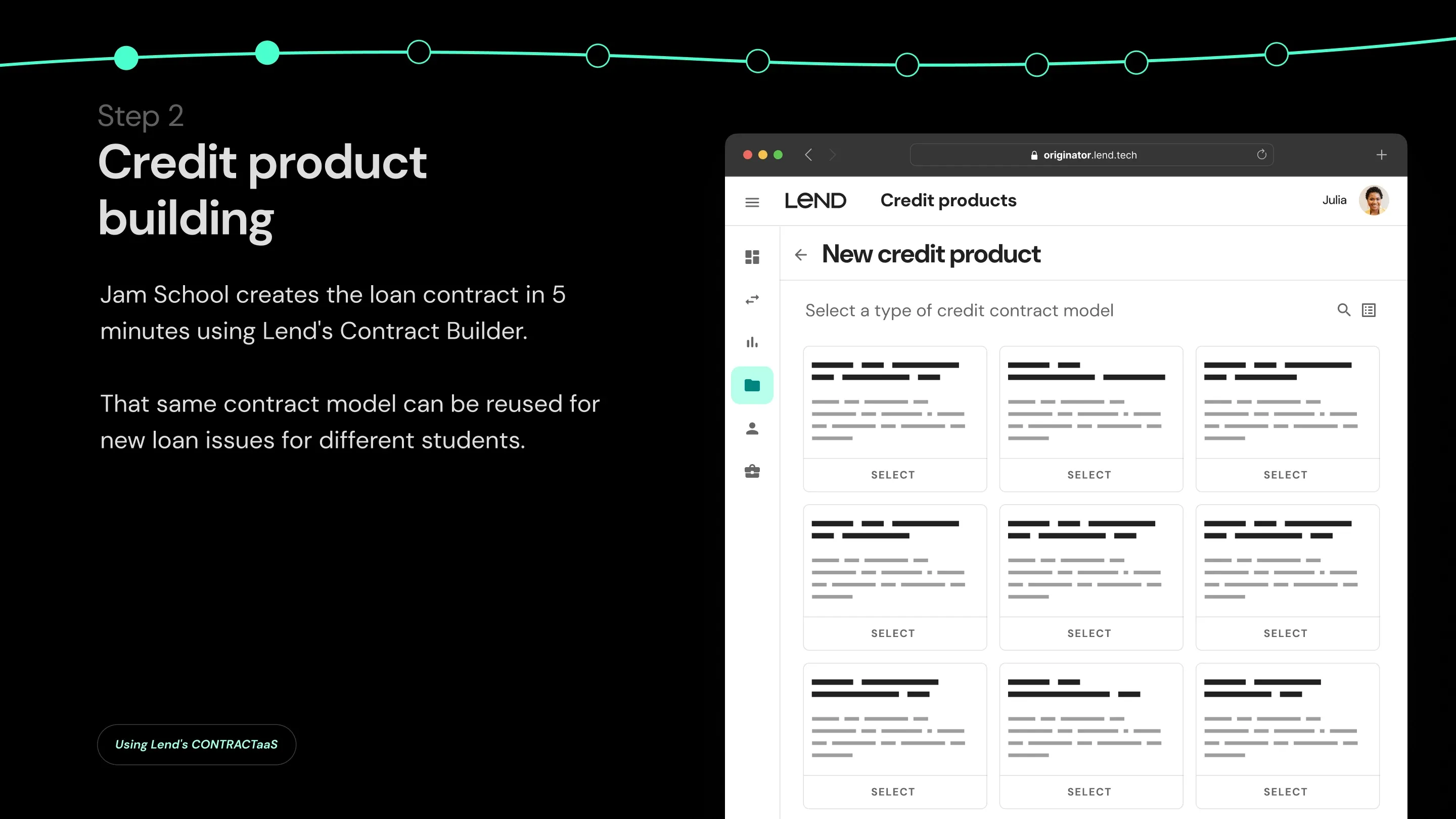
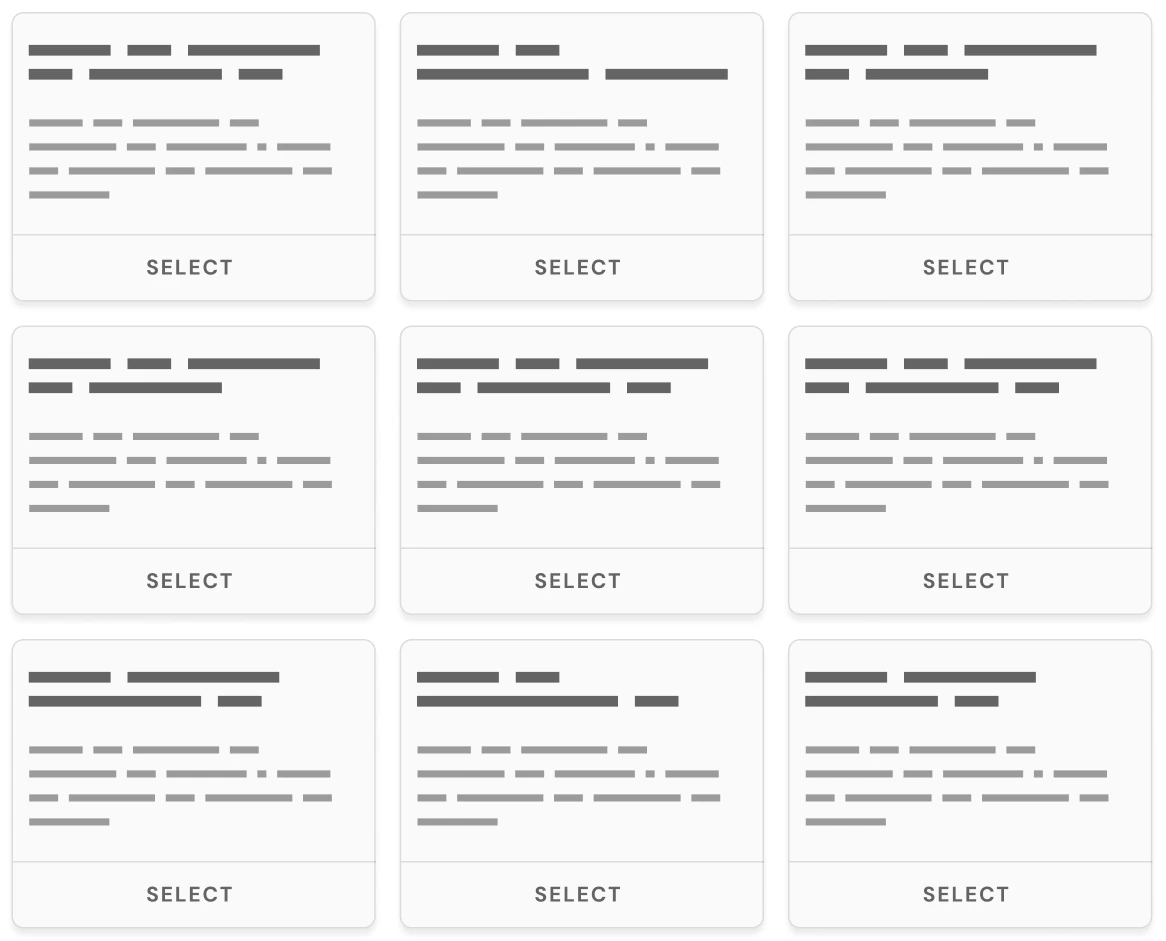
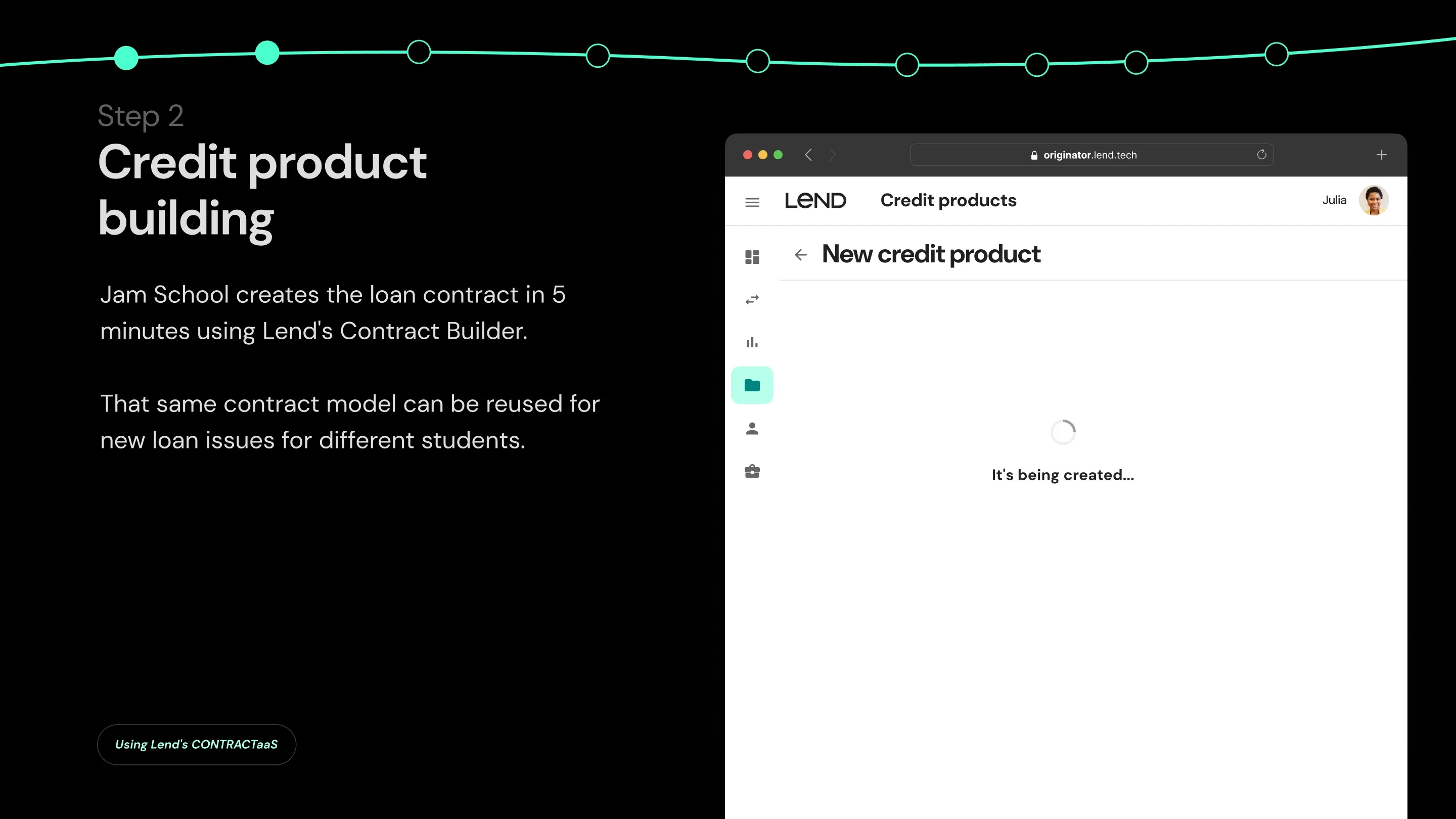
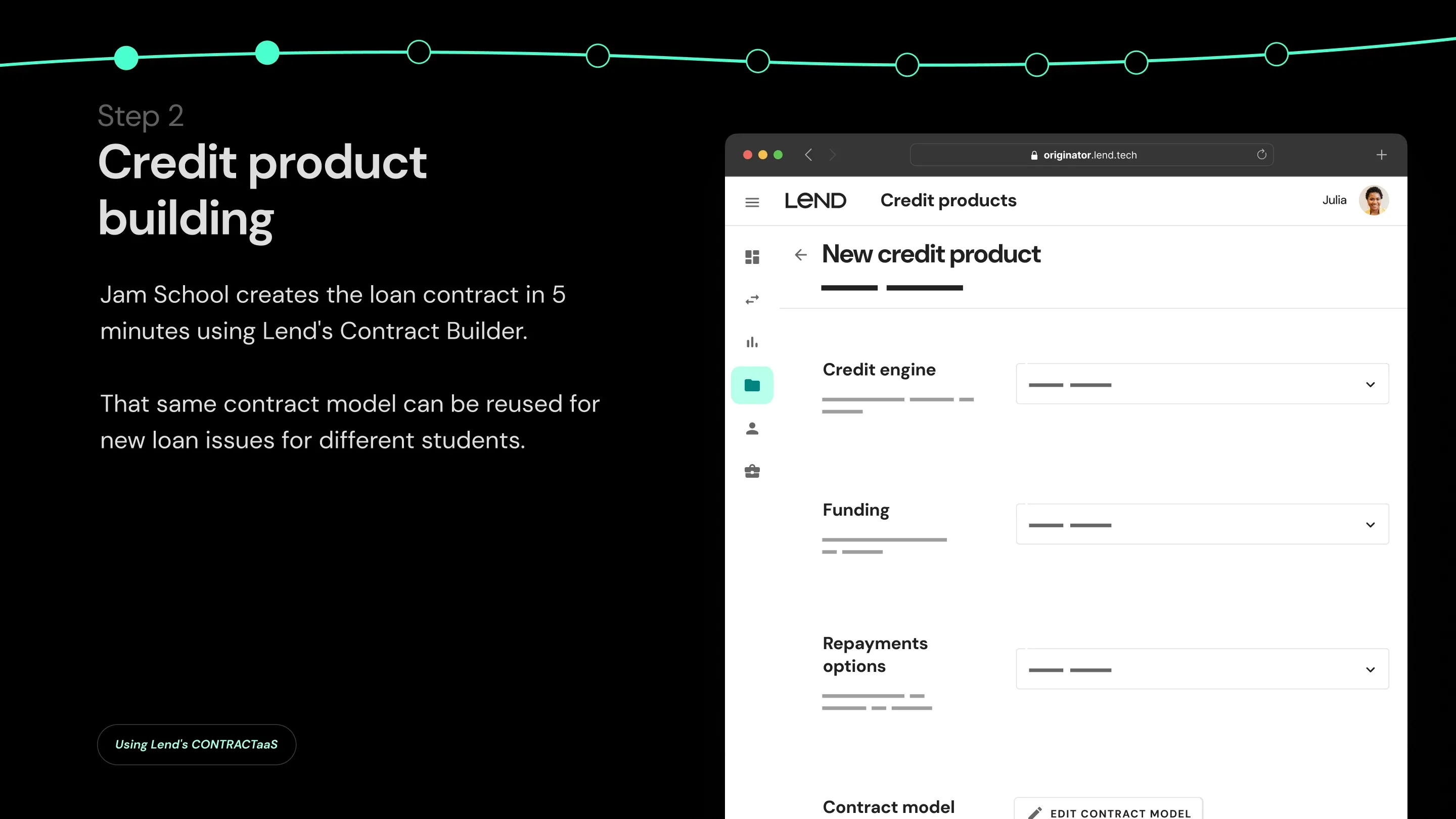

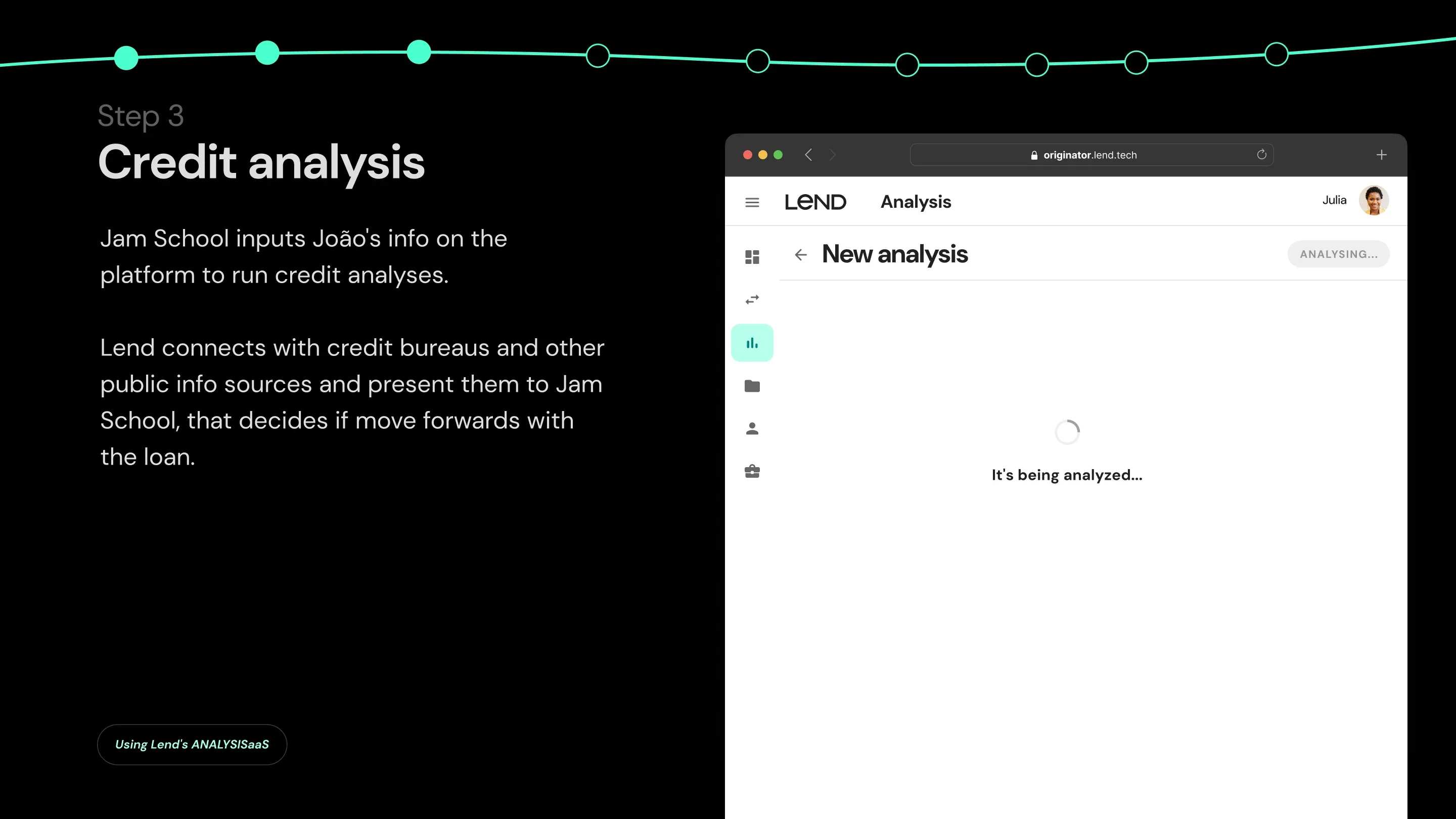
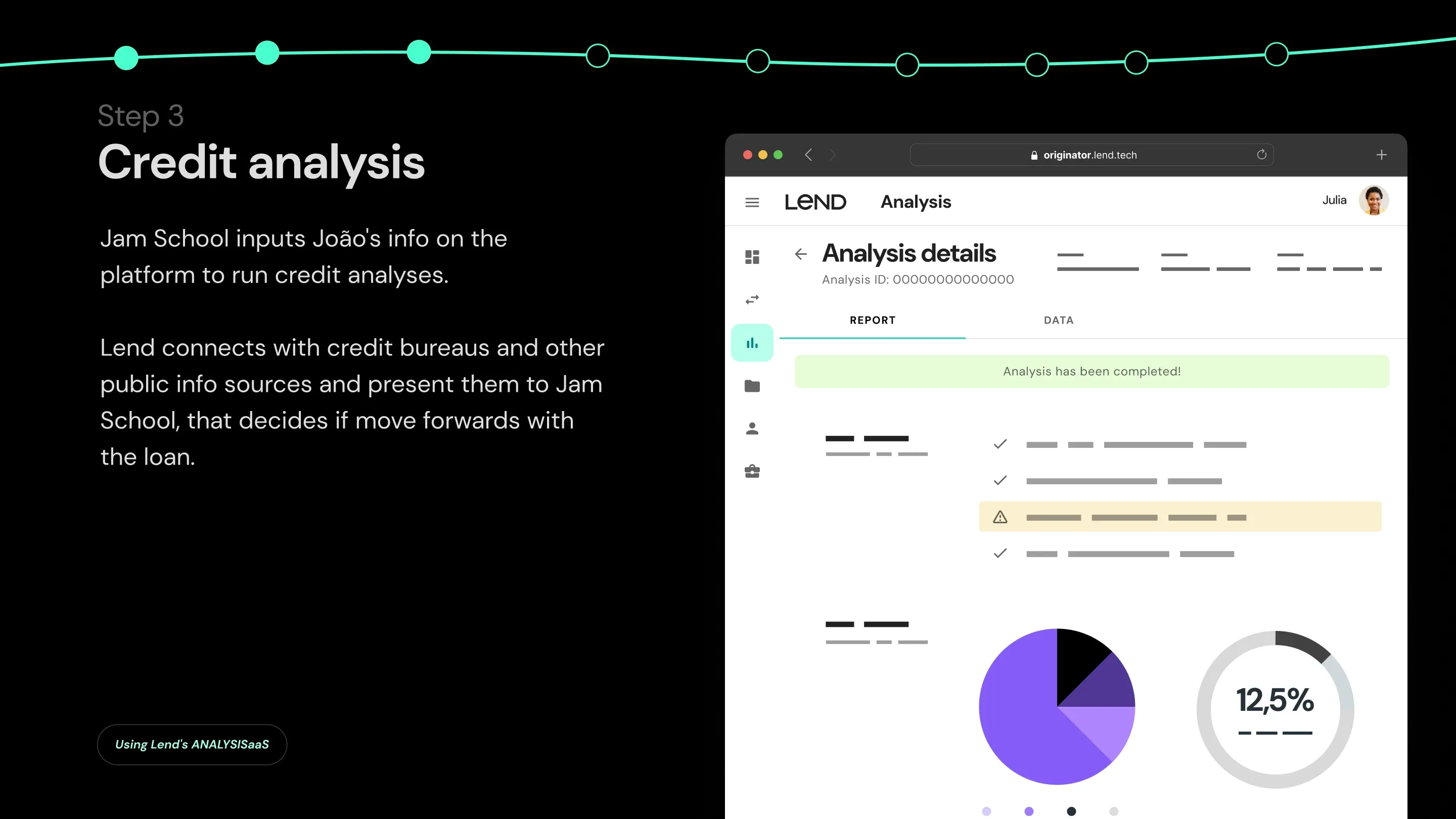
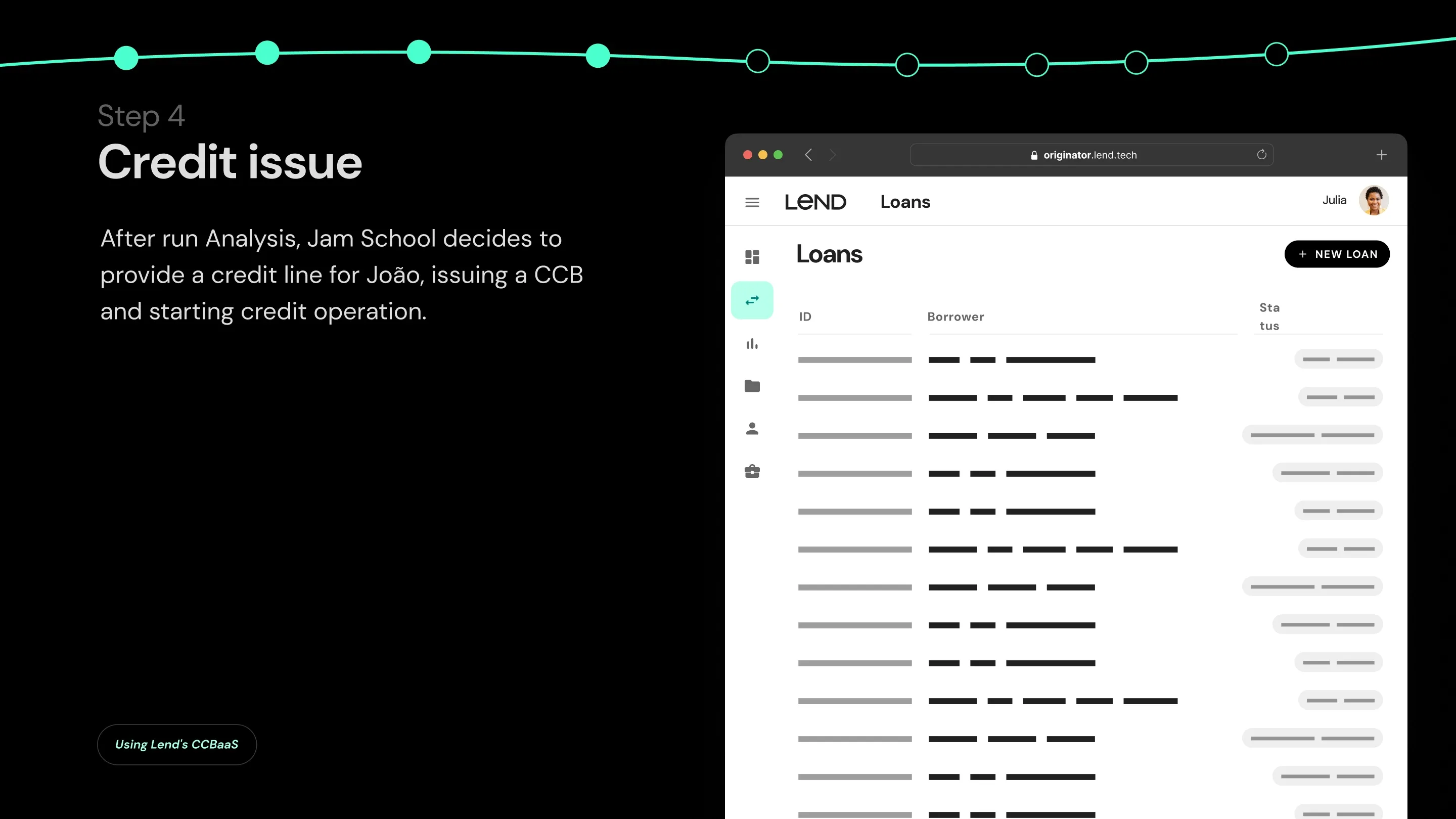




Making a complex system quick to learn
I interviewed Lend’s operations team and our partners, from fund administrators to fund managers, and mapped their work from onboarding to operation in a service blueprint. From it I modelled one set of objects, actions and states for every product to share.
The contract was what everything else depended on, so the CCB came first. A CCB passes between people who never meet, and a step can take minutes or days, so each screen shows the stage, the next action and whose move it is. In usability tests, newcomers and market operators alike ran several operations at once. We embedded PandaDoc instead of building our own editor until the service had proved itself.
CCB details: 0417.2291.3306.0042
Operation stages
Scaling complexity with simplicity
While I hired the team, I built three parts every product could share, so an operator who learned one screen recognised the next.
One shell for every screen
First, where you are. The shell, drawn here from the CCB screen, is one frame for every product: only its header changes, to name the object in hand and the action open on it.
One card for every task
Then, what to do. Every task is an Action Card, for Lend’s operators and partners alike. Its state says what to do, whose move it is and what was decided, so a task reads the same on any journey.
Templates for every view
And how each screen is laid out. A screen is a list of objects, one object, or an action on one: a list of CCBs, a CCB, the actions on it. Eight templates from the two platforms show here, sorted by kind; learn one of each and every screen reads the same.
Raising the bar, from brand strategy to craft
My brief was the interface, and Lend’s identity had never been drawn for one: its saturated green failed contrast as text. The two Co-CEOs also disagreed about what the brand stood for.
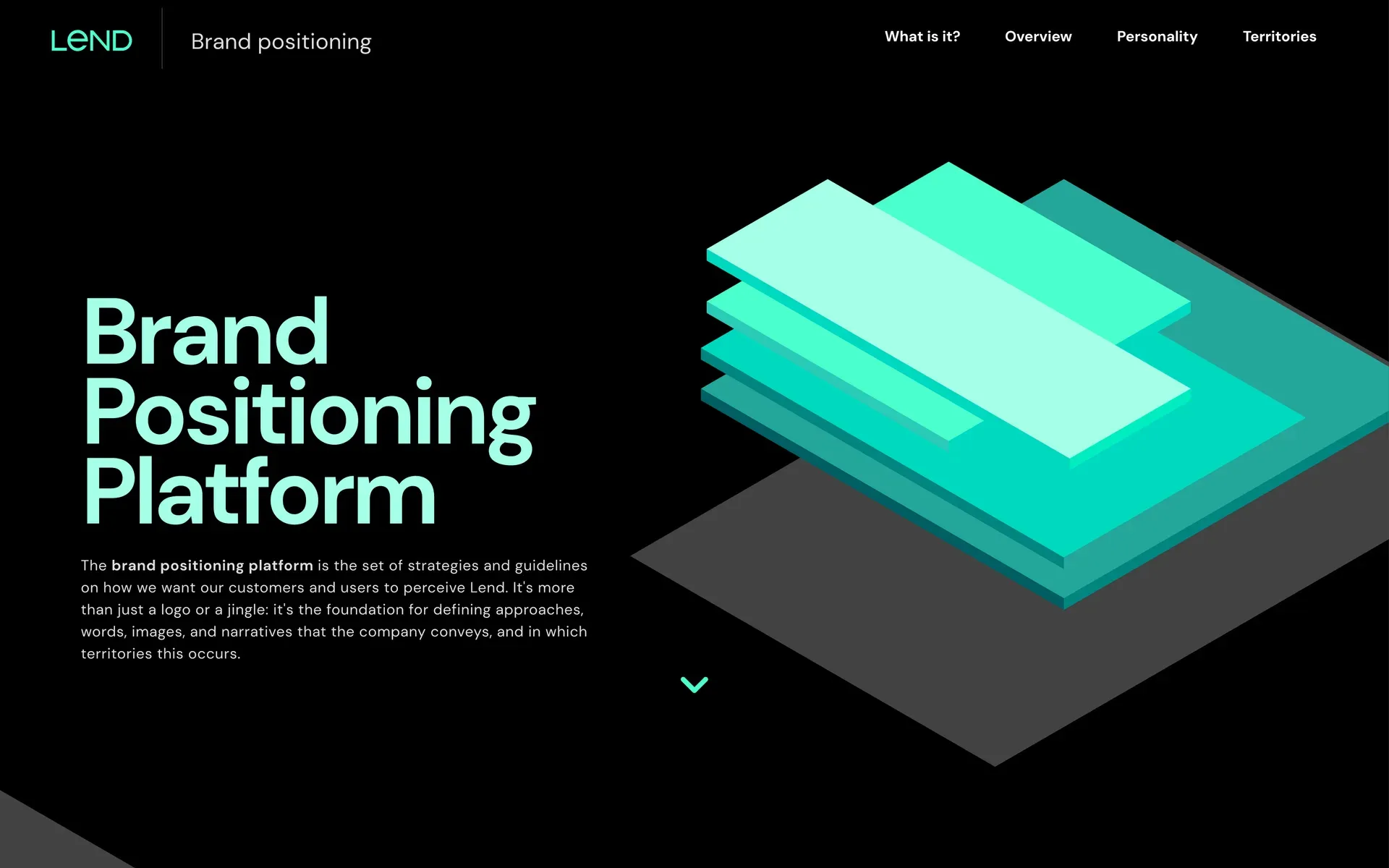
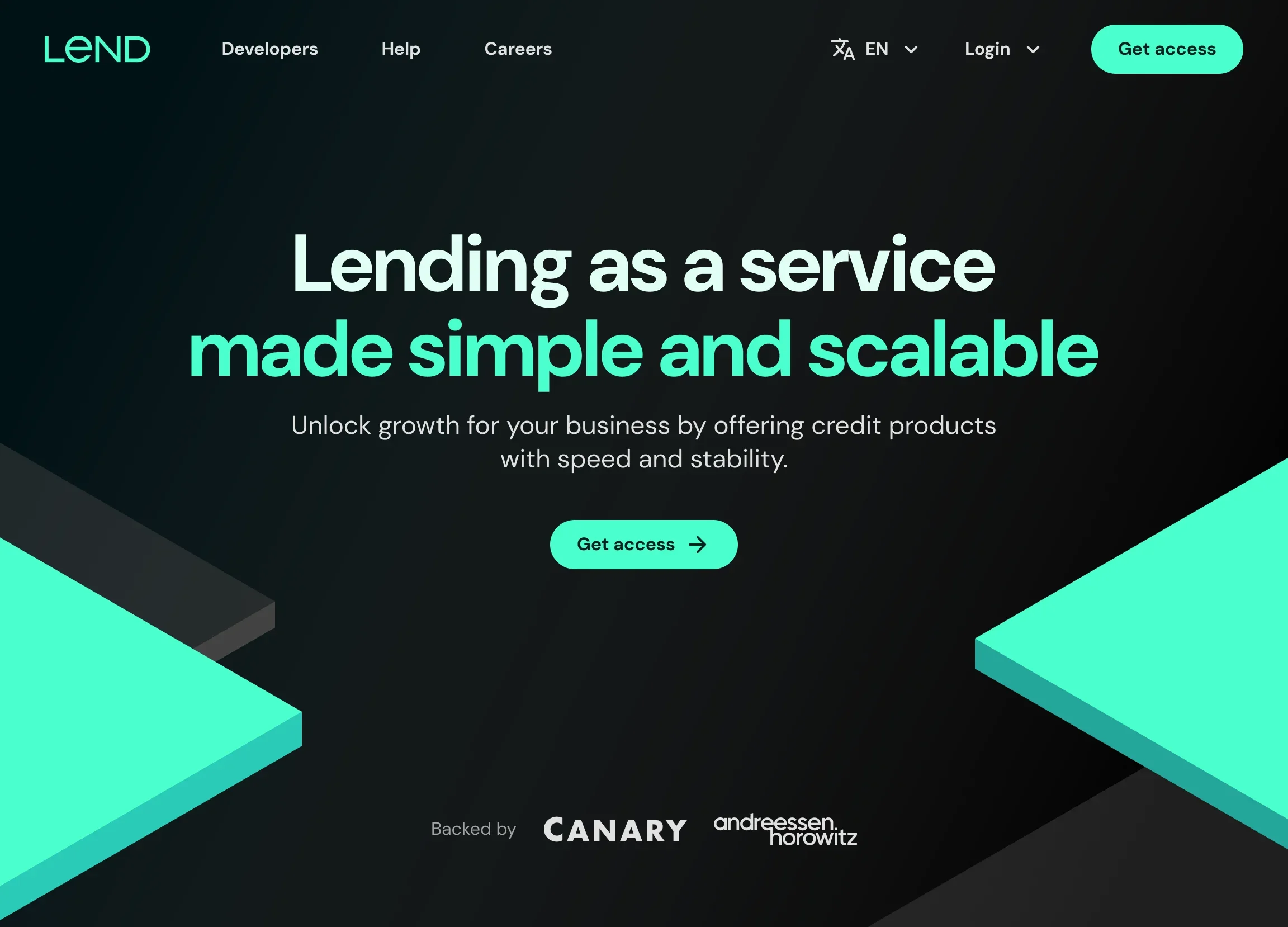
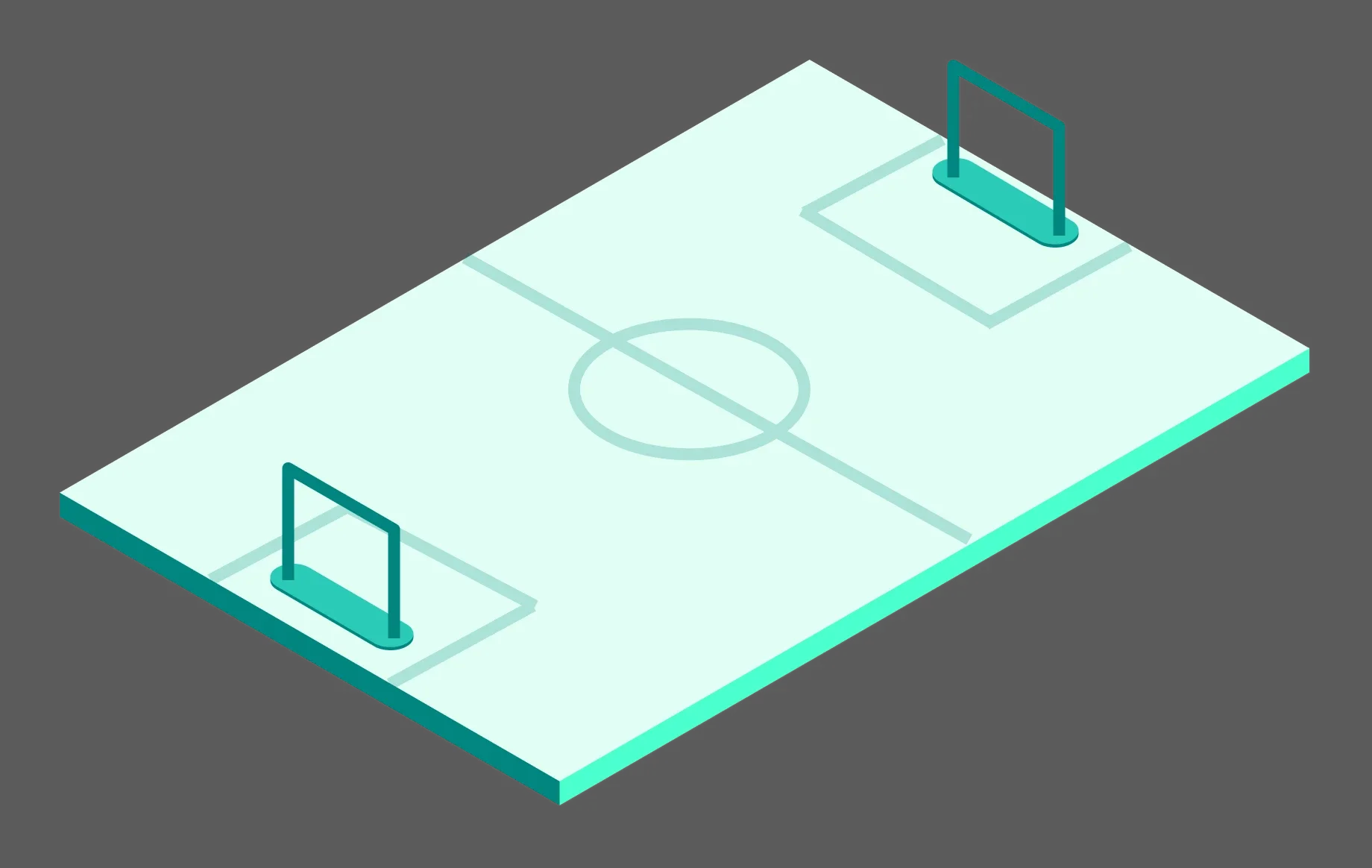
I ran a Value-Based Brand Platform workshop with the C-level that started from our segments instead of opinions: who they were, their pains and what they valued, such as trust, reliability and security. Traits followed from that base, and each disagreement was settled against it. The result guided product, acquisition and documentation; in the interface, it became a deeper palette that holds contrast and the isometric illustrations.

A revenue-generating platform,
and the speed to change it
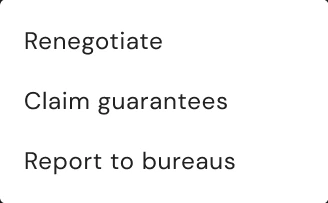
In early 2023, a credit crisis in Brazil made cash urgent. Lend absorbed Atisbank, whose technology worked but whose products didn’t sell, and had to turn them into receivables as a service, guarantee enforcement and debt renegotiation inside its model.
I led a war room with the Co-CEO and the senior designers I managed, four of us in all, and drew about a third of the screens. In two weeks we designed and tested every flow; business development sold from the prototype, and engineering shipped two weeks later, during layoffs.
Platform
A revenue-generating platform: a thesis turned into services customers paid for.
To the MVP: the brand’s positioning, the platform architecture and the first products.
From war room to launch. Within two months, monthly cash flow was 10× what it had been.
Key takeaways
Familiarity bought adoption, and cost identity.
Material got operators working quickly, because it looked like the Google tools they already used. Lend’s own identity reached the interface late as a result.
Standards alone don’t raise a team’s bar.
Some good designers struggled to adopt my platform patterns. The bar rose once I ran the team as closely as the system, with design critique and reviews running all the time.
A vision people can picture makes a change of course faster.
When the crisis came, I moved designers onto Atisbank’s products within days. The Moonshot had already shown everyone where Lend was going, so explaining the new route took little time.
A platform is a product that holds other products.
The Co-CEO chose waves over the fastest-selling product. My job was to make the seams between modules hold, so that a year later Atisbank’s products fitted the same model.